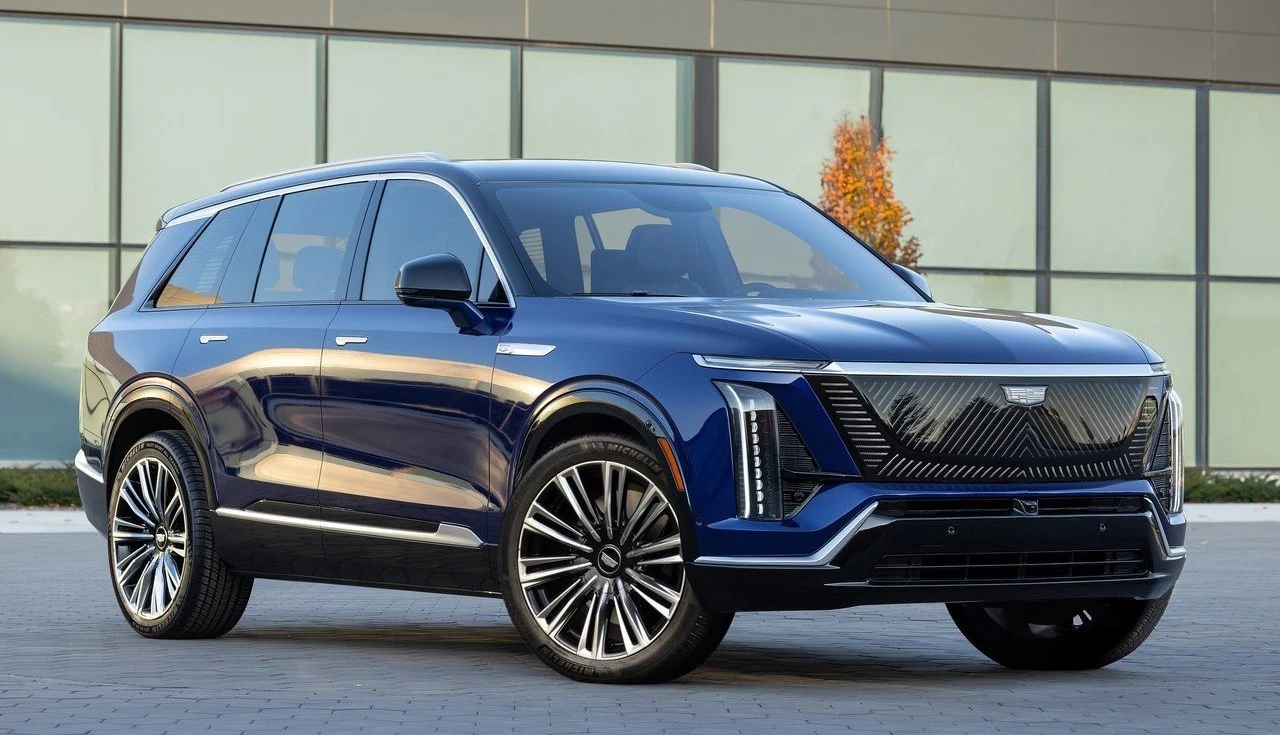
People shop for three-row SUVs using the wrong yardstick more than almost any other type of car. They compare horsepower, screen sizes, and styling, then find out after they've signed that adults can't sit in the third row, or that with every seat up there's barely room for a stroller and a diaper bag. The SUVs that work for families get the boring parts right: how the second row folds, how much space is left behind the third row when people are sitting in it, and how the safety systems hold up with a full load of passengers.
This ranking puts everyday usability ahead of spec-sheet numbers. Six SUVs made the list, priced from about $36,000 to $56,000, and we've spelled out the downsides of each one plainly.
How These Rankings Work
Three things carried the most weight. First, whether an adult can use the third row, not just a child, based on legroom and how easily the second row folds or slides out of the way. Second, cargo space behind the third row with every seat filled, since that decides whether you can run errands with a full car. Third, safety, with extra weight on IIHS Top Safety Pick ratings and driver-assist features that come standard instead of costing extra. A lot of three-row buyers have young kids, so safety counts for more here than in most segments.
Price, reliability, and fuel economy were used to break ties. An efficient SUV that falls short on space or safety still falls short.
Quick Comparison
| Vehicle | Starting Price | 3rd Row Legroom | Cargo Behind 3rd Row | Powertrain |
|---|---|---|---|---|
| Kia Telluride | ~$37,000 | 31.4 in | 21.0 cu ft | 3.8L V6 |
| Hyundai Palisade | ~$37,500 | 31.4 in | 18.0 cu ft | 3.8L V6 |
| Toyota Highlander | ~$39,000 | 27.7 in | 16.0 cu ft | 2.4L Turbo / Hybrid |
| Honda Pilot | ~$40,500 | 31.5 in | 18.6 cu ft | 3.5L V6 |
| Chevrolet Traverse | ~$38,000 | 28.1 in | 23.0 cu ft | 2.5L Turbo |
| Mazda CX-90 PHEV | ~$49,500 | 29.6 in | 14.9 cu ft | 3.3L Turbo Hybrid |
1. Kia Telluride: Best Overall
The Telluride has sat at the top of this class for several years, and the 2026 model stays there. It isn't coasting, either. Kia fixed the third-row problem that most rivals still treat as an afterthought. With 31.4 inches of legroom back there, someone over six feet tall can ride for 45 minutes without complaining, and you can't say that about most of the SUVs on this list.
Strengths
- Third row that adults can use
- 21 cu ft of cargo behind the third row, best in class
- Standard forward collision warning and automatic emergency braking on every trim
- Strong resale value relative to segment
Weak Points
- V6-only powertrain lags behind hybrid rivals on fuel economy (19-20 mpg combined)
- Popular trims often carry dealer markups in high-demand markets
- No plug-in hybrid option, unlike the CX-90
2. Hyundai Palisade: Best Interior Quality
The Palisade shares its platform and V6 with the Telluride. They're so close in ability that most buyers end up choosing on looks and cabin finish. Hyundai has always pushed the Palisade's interior a step past the Kia's, with more soft-touch materials for the money and a calmer, more upscale dash. What you give up is cargo space. It has 18.0 cu ft behind the third row, which is decent but a clear step down from the Telluride's 21.0.
Strengths
- Best-in-class interior material quality for the price
- Identical third-row legroom to the Telluride (31.4 in)
- Smooth ride quality on the highway
Weak Points
- 3 cu ft less cargo room than the Telluride behind the third row
- Same fuel economy limitations as the Telluride (V6-only)
3. Toyota Highlander: Best for Fuel Economy and Reliability
The Highlander gives up third-row space to win on two things families care about over years of ownership: fuel economy and reliability. The hybrid gets about 35 mpg combined, close to twice what the V6 models here manage, and Highlander reliability over the past decade ranks with the best in the class. The catch is the third row. At 27.7 inches of legroom, it's fine for kids and okay for adults on short hops, but it's the tightest of the six.
Who Should Buy the Highlander
Families whose third row will mostly carry kids, and who plan to keep the SUV past 100,000 miles, get the most out of the Highlander. Its fuel economy and reliability make up for the smaller cabin.
4. Honda Pilot: Best for Third-Row Access
How easy it is to climb into the third row counts for more than spec sheets let on, especially if you're buckling in small kids or helping older relatives who need a low, wide opening. The Pilot's second-row seats slide and fold in one move with what Honda calls one-touch walk-in, and the gap it leaves is wider than in the Telluride or Palisade. Add 31.5 inches of legroom, technically the most on this list, and the Pilot may have the best third row in the class for homes where both adults and kids get in and out of the back a lot.
Strengths
- Easiest third-row entry and exit in the segment
- 31.5 inches of legroom, the most of any vehicle ranked here
- Standard AWD available across most trims
Weak Points
- Interior styling trails the Telluride and Palisade
- Cargo behind the third row (18.6 cu ft) is mid-pack
5. Chevrolet Traverse: Best Cargo Room
If cargo space behind the third row is what you care about most, the Traverse wins with 23.0 cubic feet. That's enough for a full grocery haul, or a stroller and a duffel bag, with all three rows in use. The redesigned model also swapped the old V6 for a turbocharged four-cylinder. You lose a bit of low-end pull, but fuel economy is clearly better, and the lighter engine helps the front end feel more balanced in corners.
Strengths
- Best cargo capacity behind the third row in this ranking
- Turbocharged four-cylinder improves on prior V6 fuel economy
- Competitive base pricing
Weak Points
- Third-row legroom (28.1 in) is below the Telluride, Palisade, and Pilot
- Interior materials lag the segment leaders
6. Mazda CX-90 PHEV: Best for Efficiency-Focused Buyers Who Don't Need Maximum Space
The CX-90 plug-in hybrid is the odd one out. It costs the most by a wide margin, and it's the only SUV here with a usable electric-only range, about 26 miles. If you charge overnight and cover most weekday driving on battery power, saving the turbo inline-six for road trips, your running costs look very different from any other SUV here. It ranks last because that buyer is a narrow group. Cargo space behind the third row (14.9 cu ft) is the smallest of the six, and the third row works best for occasional use.
Who Should Buy the CX-90 PHEV
It suits households that can charge at home, rarely drive more than 25 to 30 miles a day, and care more about how Mazda's chassis drives than about maximum interior room. Everyone else will get more practical use from a Telluride, Palisade, or Traverse for less money.
Which One Fits Your Household
If you're on a tight budget with two young kids, the Telluride is the best value, with the Traverse right behind it. Both put space and price ahead of interior polish. If someone will ride in the third row every day for years, give the Pilot's easy access more weight than its spec sheet suggests. A third row that's easy to reach gets used, and one that's awkward gets ignored. Buyers focused on resale value and long-term costs should rank the Highlander higher than its legroom figure alone would put it. As for the CX-90 PHEV, it only makes sense for the household described above. Anyone else pays extra for less room than five cheaper SUVs on this list.