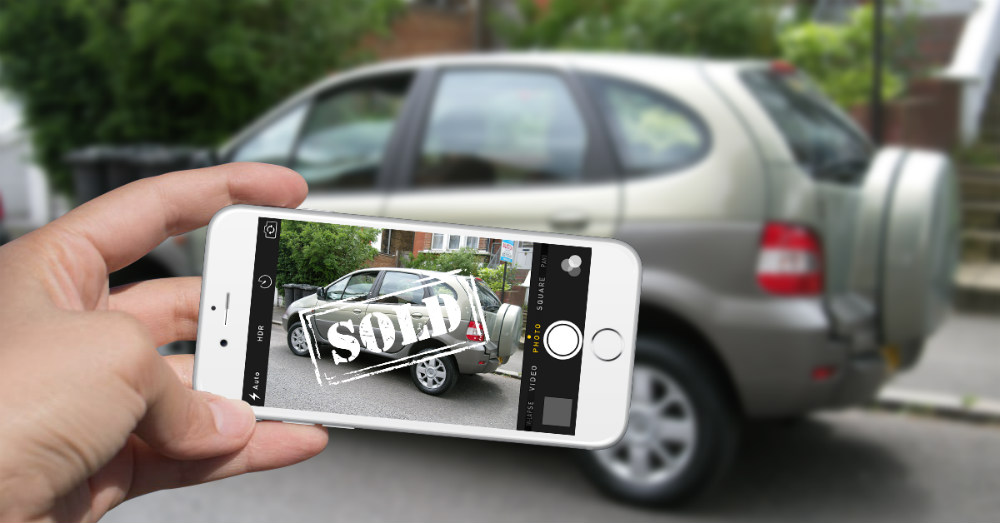
Selling a car is much simpler than buying one, but most people still leave money on the table because they pick the easiest option instead of the most profitable one. The difference between a rushed dealer trade-in and a well-timed private sale of the same car can be $1,500 to $4,000. On a car worth $15,000, that could be up to a quarter of its value. That's not pocket change.
Sellers in 2026 have more options, and more transparency, than ever. Instant-offer services like CarMax and Carvana give you real numbers you can compare. Private listings on Facebook Marketplace and Autotrader reach far more buyers than classified ads ever did. And trading in at a dealer, while still the easiest route, is no longer take it or leave it when you show up with several competing offers already in hand.
This guide walks through each option, when each one makes the most financial sense, and how to get the most money whichever route you choose.
Step One: Know Your Car's Value Before Doing Anything Else
Almost every selling mistake comes from not knowing what the car is worth before talking to a buyer or dealer. If you don't know the number, every offer feels either low or fine, with nothing to compare it to. If you do, lowball offers stand out right away, and good offers are easy to recognize.
Getting an accurate value takes about twenty minutes and costs nothing.
Use a pricing guide. Enter your car's details on Kelley Blue Book, Edmunds, or a similar tool: VIN or license plate, mileage, trim, and an honest condition rating. You'll get estimates for private-party and trade-in value based on current local market data. Ignore the original sticker price and what you remember paying. Go by today's market.
Get instant offers from at least two services. Enter your car's details on CarMax's and Carvana's websites to get online offers. These are what those companies will actually pay today, not estimates, and both are typically good for seven days. Save them. They tell you the minimum you can get for a fast, easy sale, and they give you leverage if you negotiate with a dealer later.
Look at listings for cars like yours. Search Facebook Marketplace, Autotrader, and Cars.com for the same make, model, year, trim, and similar mileage near you. These are asking prices, not final sale prices, but they show the upper end of what buyers are considering. If your car is cleaner or has fewer miles than similar listings, you can price above them. If it has more miles or some damage, price below.
After this research, you'll have three numbers: the instant offer from CarMax or Carvana, the private-sale range from similar listings, and a trade-in estimate from a pricing guide. The gap between them shows exactly how much convenience would cost you, and you can decide where you want to land based on how much time and hassle you're willing to put in.
Option 1: Private Sale
Selling privately almost always gets you the highest price. It's common for a private sale to bring in noticeably more than a dealer trade-in, often $1,500 to $2,000 or more on cars worth $10,000 to $20,000, before you count your time and effort.
The math has two sides. You'll get more money, but it'll cost you time, often 8 to 16 hours of writing a listing, taking photos, answering messages, dealing with no-shows, arranging test drives, and handling paperwork. If you earn $60,000 a year, 15 hours of your time is worth about $435, which narrows the gap. Add the sales tax break many states give you when you trade in, and the real advantage of selling privately can shrink to around $800 to $1,200 instead of the $2,000 it looks like at first.
Private sales make the most sense in a few situations. They're the best choice for cars that are in high demand and hard to find locally, where eager buyers will pay more instead of waiting for a dealer to get one. They also shine for older or high-mileage cars, which instant-offer companies tend to lowball. A 2015 car with 110,000 miles will get a low offer from CarMax or Carvana, because they have to cover reconditioning costs and resale risk. A private buyer who wants that exact car will often pay much closer to retail.
How to Run a Private Sale Successfully
Take good photos. Listings with bad photos sell for less, or don't sell at all. Clean the car thoroughly inside and out first. Shoot in soft natural light, early morning or late afternoon, to avoid harsh shadows. Photograph all four corners, both sides, the front and back, the engine bay, the interior from both front doors, the dashboard, the odometer showing current mileage, and any notable features. If there's damage, photograph that too. Hiding it only leads to arguments that can kill the sale at the worst moment.
Price it right from the start. Overpriced listings sit for weeks while you keep paying insurance and registration. A car priced 5% above similar listings will get inquiries but lose buyers during negotiation. Price at or slightly above the middle of comparable listings for your car's condition, leaving room to come down 3 to 5% without hurting yourself. If you get no serious interest within ten days, drop the price by $300 to $500 and refresh the listing.
Screen buyers before meeting. Before agreeing to meet, ask potential buyers to confirm their name, that they have a valid driver's license, and that they're seriously interested in buying. Real buyers answer without hesitation. The people who'd waste your Saturday afternoon tend to disappear as soon as you ask for basic information. For the first meeting, pick a public spot. Many police stations offer designated safe exchange zones, and a busy bank or shopping center parking lot works too.
Be careful with test drives. Go along on the test drive, and don't hand your keys to a stranger. Check their driver's license first, and take a picture of it. Keep the route short and on roads you know. Most buyers are completely legitimate, but test drive theft does happen, and basic precautions cost nothing.
Use a bill of sale and get paid safely. Accept cash, a cashier's check you verify directly with the issuing bank, or a bank transfer that has fully cleared. Personal checks are risky, since they can be canceled after you've handed over the title. When you sign over the title, sign in the right spot, fill in the odometer reading, and note the date. Then file a release of liability with your state's DMV right away, so you're not on the hook for parking tickets, tolls, or accidents before the buyer registers the car.
Option 2: CarMax and Carvana
CarMax and Carvana work the same basic way: they buy your car at or near wholesale price, then resell it at retail and keep the difference. That's why their offers are always below private-sale value. They're not being unfair. They have to recondition, transport, and resell the car, and their offers cover those costs plus a profit.
What you get in return is speed, certainty, and no hassle. CarMax can appraise your car in person, typically in under an hour, and pay you the same day. Carvana's online offer takes minutes, and if you accept, it can pick the car up from your home or you can drop it off. Both handle loan payoffs if you still owe money. They contact your lender, pay off the balance, and send you anything left over, which takes a lot of paperwork off your plate.
Neither company consistently pays more than the other. Offers vary with each company's current inventory needs, local demand, and estimated reconditioning costs. The only reliable way to know which will pay more for your car is to get offers from both at the same time and compare.
Both offers depend on the car matching its description. CarMax's online offer is confirmed during a quick in-person inspection, and Carvana verifies the car's condition when it picks it up. If the car has problems you didn't mention, the offer can change. Describe the condition honestly up front to avoid surprises.
These services work best for newer, lower-mileage cars, where reconditioning costs less and resale margins are healthier. They work less well for cars more than five years old with over 80,000 miles, where their need for a profit margin pushes offers well below market value.
Option 3: Dealership Trade-In
Trading in at a dealer is the easiest option, and also the one most likely to leave money on the table if you go in unprepared. The reason is simple: dealers want the overall deal to work in their favor, and folding your trade-in into the new car purchase lets them steer which numbers you focus on.
The oldest trick in the book is adjusting your trade-in value and the new car's price together, so any extra you get for your trade-in is quietly taken back with a smaller discount on the car you're buying. The defense is simple and works well: negotiate the final price of the new car first, get it in writing, and only then bring up your trade-in. Treat them as two separate deals, even if the dealer processes them together.
Trading in does have real benefits beyond convenience. In most states, your trade-in value is subtracted from the price you pay sales tax on. If your state's sales tax is 7% and your trade-in is worth $12,000, you save about $840 in tax compared with selling privately and paying tax on the full price of your new car. In some cases, that tax savings shrinks the gap between a trade-in and a private sale to very little.
The other advantage is that a trade-in takes all the private-sale hassle away. The dealer handles the title transfer, any loan payoff, and the paperwork. If you're buying a new car at the same time and don't want to juggle two separate transactions, trading in is a perfectly sensible choice, as long as you prepare and bring competing offers.
Negotiate the final price of your new car first, and get it in writing before you mention your trade-in. If a dealer knows about your trade-in early, they can use it to blur whether you're getting a good deal on the car you're buying. Once the price is locked in, the trade-in becomes a separate, cleaner negotiation, where a lowball offer is obvious.
Side-by-Side Comparison
| Method | Typical Price vs Market | Time to Payment | Effort Required | Best Vehicle Type |
|---|---|---|---|---|
| Private sale | Highest (retail) | 1 to 8 weeks | High (8 to 16 hrs) | Older, high-demand, or higher-mileage vehicles |
| Carvana | Moderate (near-wholesale) | A few days | Very low | Newer, lower-mileage vehicles in good condition |
| CarMax | Moderate (near-wholesale) | Often same day | Low (1 in-person visit) | Newer vehicles, sellers who value speed |
| Dealer trade-in | Lowest (wholesale) | Same day | Very low | Any vehicle when buying simultaneously, especially in tax-benefit states |
How to Prepare Your Car to Maximize Sale Price
The work you do before listing or getting an appraisal earns you more money than any negotiating trick afterward. A clean car with good paperwork sells faster and for more, however you sell it.
Clean it properly. Wash it, vacuum the interior, wipe down every surface, and clean the glass inside and out. This isn't about hiding anything. It's about showing the car at its best. Buyers and appraisers knock off more for a dirty car than cleaning it would ever cost. For a private sale, a professional detail for $150 to $250 often pays for itself several times over in how buyers see the car.
Don't pay for cosmetic repairs just to sell. Fixing a small dent or scratch can cost $300 to $800 and rarely adds that much to the sale price. Buyers and appraisers apply a fairly standard discount for minor cosmetic flaws, and they don't pay extra because a flaw was fixed. The exception is serious damage that makes the car look neglected, where the discount buyers apply might be bigger than the cost of the repair.
Gather your paperwork. Collect service records, the original window sticker if you have it, both keys and all key fobs, the owner's manual, and receipts for recent work like new tires, brakes, or major services. A documented service history builds trust with private buyers and can support a better offer from appraisers.
Know what's wrong with the car before anyone else finds it. If there's a known mechanical problem, get a repair estimate before listing. A buyer or appraiser who finds a problem you didn't mention will doubt everything else you've said. A seller who's upfront, and can say, "I got a quote of $X to fix it, and my price reflects that," keeps their credibility and usually loses less money on the problem than someone who tried to hide it and got caught.
Selling a Car With a Loan
A car with a loan on it takes a bit more paperwork to sell, but it doesn't rule out any selling option. Knowing how it works helps you avoid surprises.
You'll be in one of two situations. With positive equity, the car is worth more than you owe, so a sale pays off the loan and leaves money in your pocket. With negative equity, you owe more than the car is worth, so you'll need to pay the difference yourself or roll it into your next car loan if you trade in. Rolling it in is convenient but makes your new loan bigger, so do it carefully.
CarMax and Carvana both handle loan payoffs for you. They contact your lender, pay off the balance, and send you whatever's left. It can take a few business days for the lender to release the title, but you don't need to pay off the loan yourself before selling to them.
A private sale with a loan takes more coordination. The lender holds the title, so you'll need to work with them so the buyer's payment pays off the loan and the title gets released. Many banks and credit unions have a process for this, and doing the transaction at your lender's branch can make it simpler. If the buyer is financing through their own lender, that lender will often handle the payoff with yours.
When to Sell: Timing Affects Price
Used car prices move with the seasons, and if you understand the patterns, you can list when the market is strongest.
Spring is usually the best time to sell most cars. Tax refunds put money in buyers' pockets, people want their transportation sorted before summer, and nicer weather gets them out looking. A car listed in March or April typically sells faster, and closer to asking price, than the same car listed in November.
Convertibles and sports cars sell best in spring and early summer. Trucks and four-wheel-drive SUVs sell well all year, with a small bump in late fall as buyers prepare for winter. Fuel-efficient cars get more attention when gas prices spike, which tends to follow world events more than the calendar.
The end of the year tends to favor buyers more than sellers. Dealers discount new cars heavily in December to hit annual sales targets, which can pull shoppers away from used cars, and private sellers face more competition.
Bottom line: unless you need to sell right away, try listing between late February and May for the biggest pool of buyers and the best chance of getting your asking price.
Scams to Know Before You List
Private sellers get targeted by a handful of common scams that are easy to avoid once you know what they look like.
The overpayment scam. A "buyer" sends a check or money order for more than your asking price and asks you to send back the difference by wire transfer or gift cards. The check is fake and bounces days later, after you've already sent the money. Never accept overpayment for any reason. Real buyers pay the agreed price and nothing more.
The long-distance buyer. Someone from far away says they can't see the car but want to buy it anyway, and asks you to ship it once they've "paid." Legitimate long-distance buyers usually travel to pick up the car, send someone to inspect it, or use a verified escrow service with funds you can confirm. Someone who wants a car shipped sight unseen, with no way to verify payment, is almost never legitimate.
Requests to hold the title. Someone asks to take the title before the sale is complete, maybe claiming they need it for insurance or financing. Never hand over your title until you've been fully paid and the payment has cleared.
Reversible deposits. A buyer sends a small "deposit" through an app like Venmo, Zelle, or PayPal to hold the car, then never shows up, or later disputes the payment. Payment apps aren't designed to protect sellers in transactions like this. If you take a deposit at all, keep it small, put the terms in writing, and don't turn away other buyers until the full payment has cleared.
Paperwork Every Seller Needs to Handle
Paperwork is where many sales fall apart right at the finish line, and most of those problems are easy to avoid with a little preparation. Here's what every private seller needs to take care of before handing over the keys.
The title. You can't transfer ownership without it. If you've lost it, request a replacement from your state's DMV before you list the car. It can take anywhere from a few days to a few weeks depending on your state, and a buyer ready to pay won't want to wait. If you still have a loan, your lender holds the title, so contact them before listing to learn how they handle payoffs and title release.
The bill of sale. A bill of sale records the price, the odometer reading at the time of sale, the date, and the names and signatures of both buyer and seller. Many states require one to transfer the title. Even where it isn't required, a signed bill of sale protects both of you if there's ever a dispute about what was agreed. Many state DMV websites have free templates.
Release of liability. After the sale, file a notice of transfer or release of liability with your state's DMV. It records the date you sold the car and protects you from parking tickets, tolls, and other violations the new owner racks up before registering it. That gap can last days or weeks, and until the release is filed, anything that happens with the car may still be tied to your name. It's also a good idea to remove your license plates if your state requires it.
Your insurance. Keep your insurance active until the car has physically changed hands, then cancel or update your coverage right away. Paying to insure a car you no longer own wastes money, and canceling before the sale is done could leave you exposed if something happens in the meantime.
Which Method Is Right for Your Situation
The answer depends on two things: how much time you're willing to put in and how much the car is worth.
For cars worth more than about $15,000 and in good condition, the gap between a private sale and an instant offer is usually big enough to justify the effort of selling privately. Earning an extra $2,000 over a two-week listing period is a strong return for some on-and-off work.
For cars worth $8,000 to $15,000, the gap after accounting for your time often shrinks to around $1,000 to $1,800, and a trade-in tax break may close it further. Getting offers from CarMax, Carvana, and the dealer you're buying from, then using them as leverage at the dealership, often gets you close to what a private sale would have brought, with much less work.
For cars worth less than about $8,000, the dollar difference between all the options is small enough that the convenience of an instant offer often wins once you count your time, unless your car is especially in demand locally and a private listing can capture that.
Whichever route you choose, the one thing that reliably gets you a better result is collecting several offers before you accept any of them. Getting offers from CarMax and Carvana takes less than an hour and gives you real numbers to compare with whatever a dealer or private buyer offers. The less you know about what your car is really worth, the more money you're likely to leave on the table.